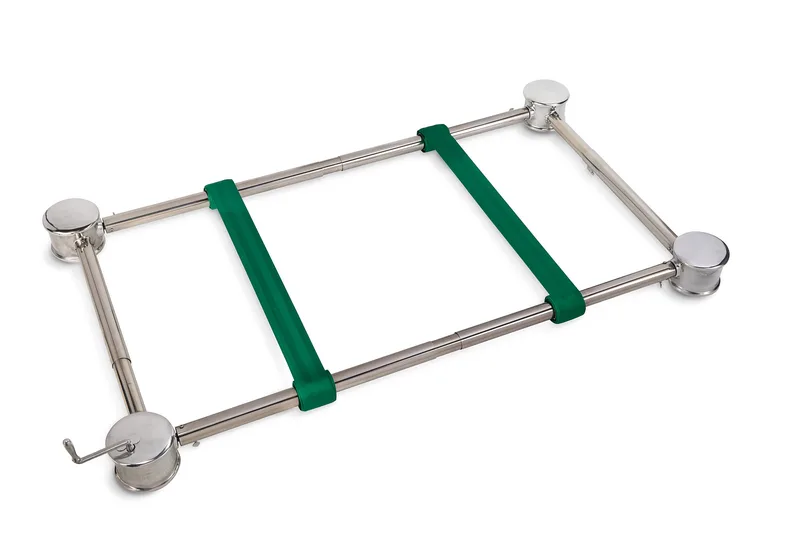
LD3287-C / LD3287-SS
Superior Casket Lowering Device in Chrome or Stainless Steel
800 lb capacity. Positive-lock braking. Lifetime lubrication.
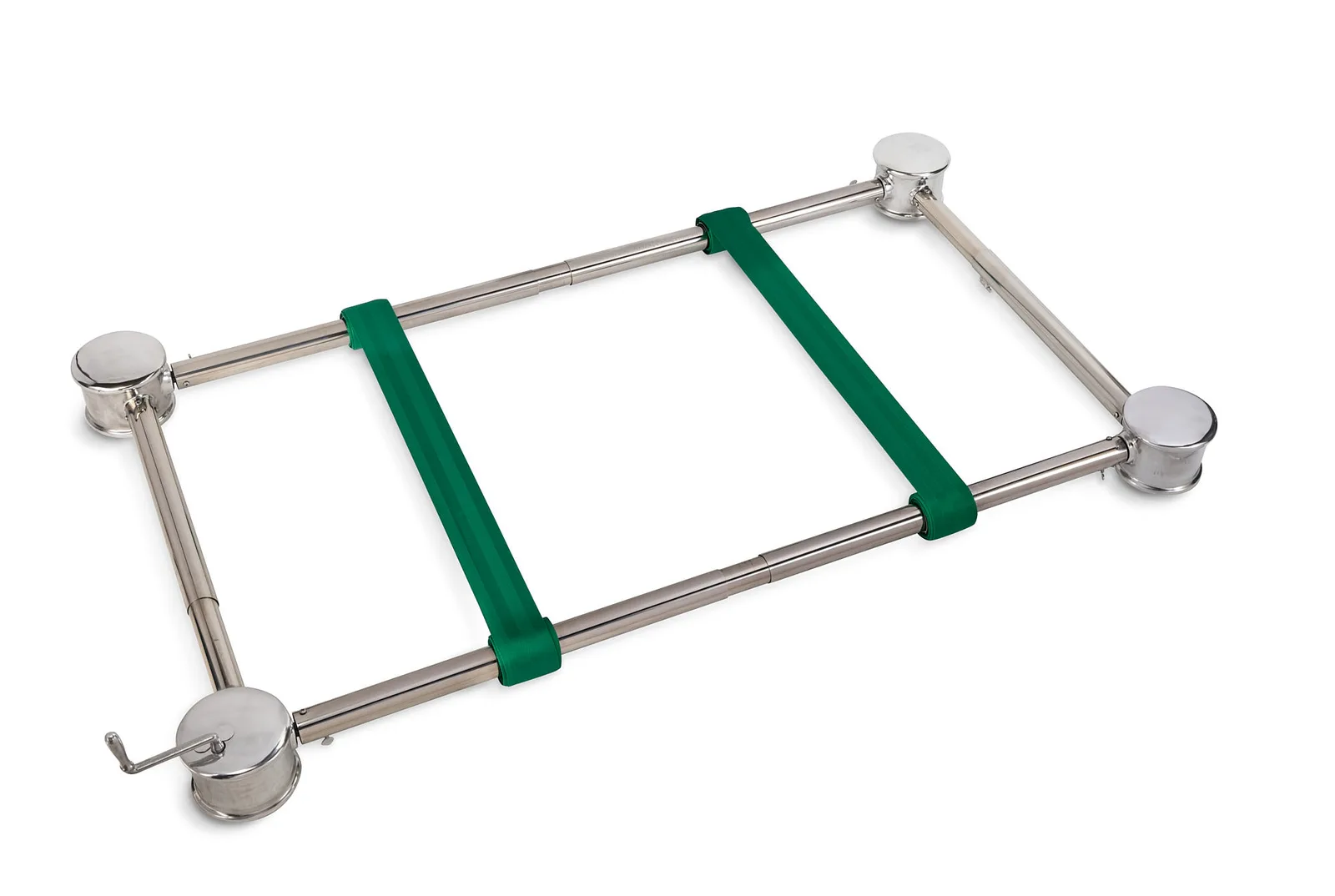
How a cemetery lowering device works, the parts that matter, and what to check before you buy one.
A casket lowering device does one job: it lowers a casket into the grave slowly and evenly, without anyone handling it by hand. Because it is used in front of a family at the most visible moment of a service, it has to work the same way every time. This guide explains how the device works and what separates one model from another.
The device is set on its stand over the grave and adjusted to size. The casket is placed on the straps for the committal. When the operator releases the brake, the straps unwind and the casket descends under its own weight while the brake controls the speed. Once the casket has come to rest, the straps are released and drawn back.
On level ground a standard device and stand are all that is needed. On a slope the casket has to be kept from shifting before it is lowered, which is the purpose of placer arms and check bars. The LD3287-CR and LD3287-SSR include them, with check bars at either end to hold the casket motionless on hilly terrain. The rating with placer arm units in place is 650 pounds.
A stand gives the device a firm base over the grave. The LD-Stand adjusts in length, width and height, is built from powder-coated rectangular steel tubing, weighs 70 pounds and fits any Junkin lowering device.
Keep the device clean and dry between services, check the straps for cuts or wear before each use, and store it disassembled. If a strap or part needs replacing, contact the manufacturer rather than substituting hardware.
See the full range of casket lowering devices, or call 502-775-8303 to talk through which model suits your cemetery.
800 lb capacity. Positive-lock braking. Lifetime lubrication.
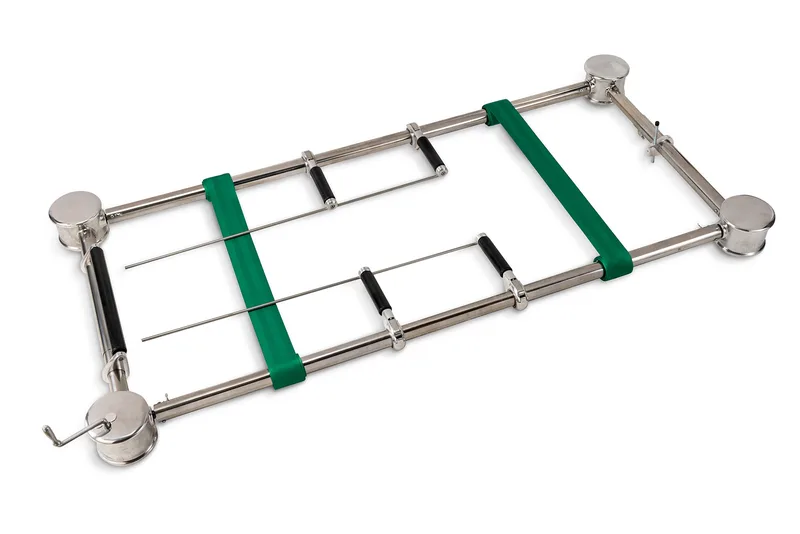
All LD3287 features plus placer arms. Check bars for hilly terrain.
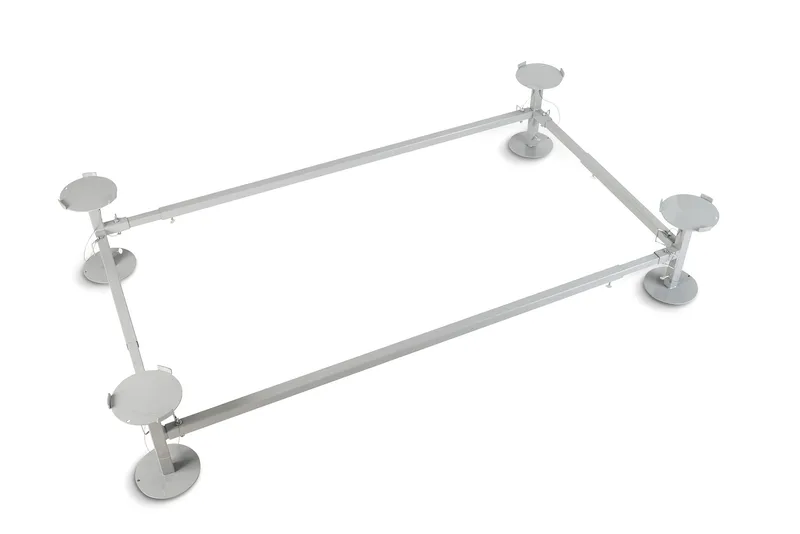
Adjustable steel stand fits any Junkin lowering device. 70 lbs.
Call us or send a message and we’ll get back to you promptly. Distributor accounts welcome.